A clear guide for patients
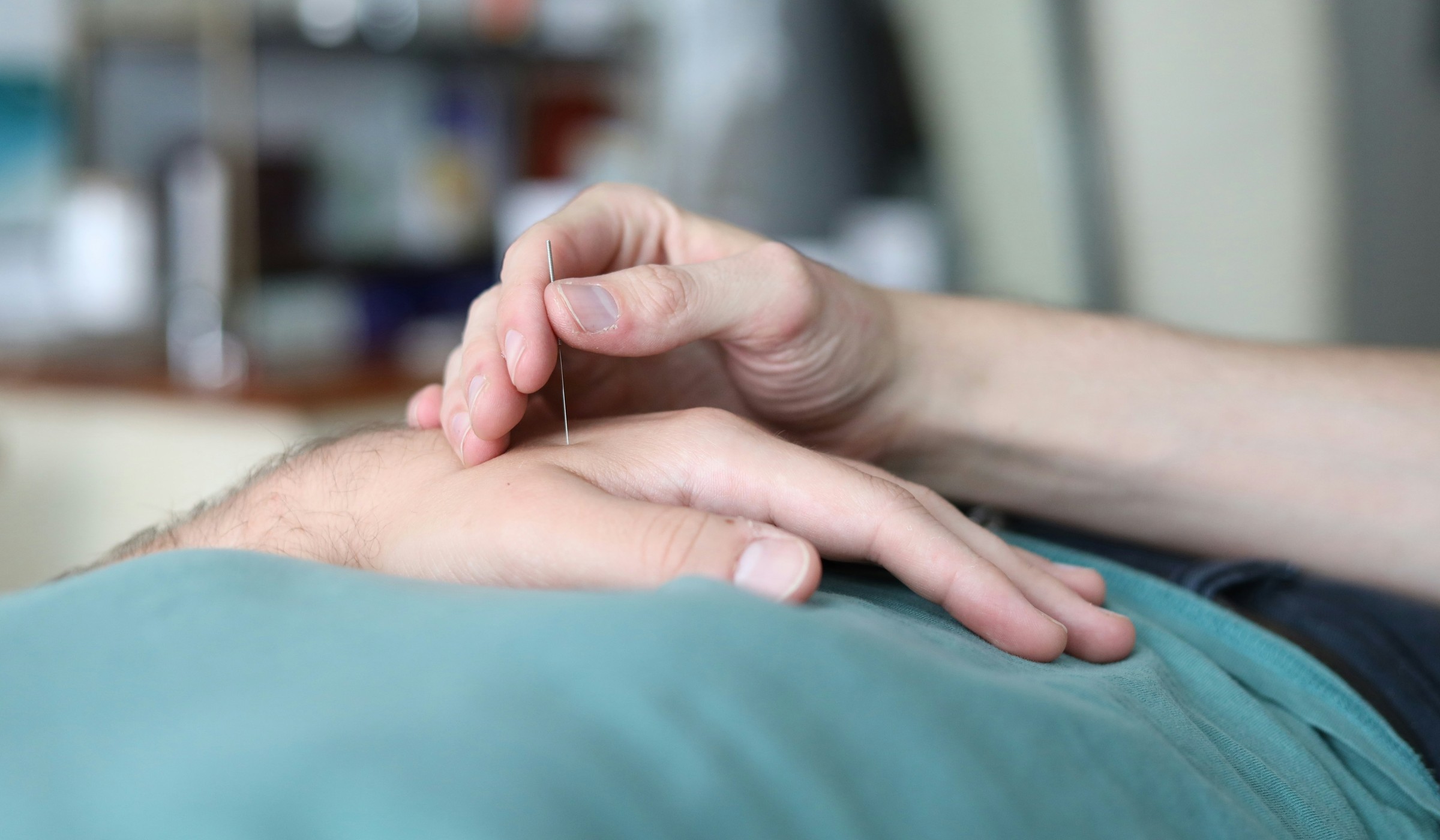
Acupuncture is a gentle treatment in which a trained practitioner places very fine, sterile, single-use needles at carefully selected points on the body. It has been used for centuries within East Asian medicine and is now widely chosen by people looking for support with pain, tension, stress, sleep, headaches and general wellbeing.
What can acupuncture feel like?
Acupuncture needles are extremely fine—much finer than needles used for injections. Some people feel a brief pinch as a needle is placed, while others feel very little. During treatment, it is also common to notice warmth, tingling, heaviness or a gentle dull sensation around a point.
Many patients report feeling calm, settled or deeply relaxed during and after treatment. Some people even fall asleep on the treatment couch. Experiences vary, but treatment should always be adjusted to your comfort.
What happens at the first appointment?
Your practitioner will begin with a conversation about what has brought you for treatment, your general health, lifestyle, medicines and any relevant medical history. This gives them a fuller picture of you as a person rather than focusing only on one symptom.
They should explain their treatment approach, answer your questions and ask for your consent before beginning. You will usually sit or lie comfortably while the needles are placed, and the treatment commonly lasts between 20 and 40 minutes.
Why do people choose acupuncture?
People attend acupuncture for a wide range of reasons. Commonly reported benefits include reduced pain or muscular tension, improved relaxation, better sleep, fewer headaches, a greater sense of balance and improved ability to cope with stress.
Some people notice a change quickly, while others benefit from a short course of treatment. The response is individual, and a responsible practitioner will discuss realistic expectations rather than promise a cure.
A whole-person approach
Acupuncture treatment often considers sleep, digestion, energy, emotional wellbeing, stress, movement and daily habits alongside the main reason for attending. Patients frequently value having time to talk through the broader picture and receiving a treatment tailored to them.
Is acupuncture safe?
Acupuncture is generally considered a low-risk treatment when carried out by a properly trained practitioner using sterile, single-use needles and appropriate hygiene procedures. Mild, temporary effects such as a small bruise, brief soreness, tiredness or light-headedness can occasionally occur.
Your practitioner will ask about relevant health information and adapt treatment where necessary. Tell them if you are pregnant, take blood-thinning medication, have a bleeding disorder, have a pacemaker or implanted electrical device, or are prone to fainting.
Acupuncture alongside conventional healthcare
Many people use acupuncture alongside GP care, physiotherapy, medication or other treatment. It should complement—not replace—appropriate medical diagnosis and care. A registered practitioner should never advise you to stop prescribed medication without speaking to the clinician responsible for it.
Choosing a practitioner
- Check that the practitioner is currently listed on the Public Register.
- Ask about their training, insurance and experience relevant to your needs.
- Expect clear explanations, informed consent, privacy and professional boundaries.
- You should feel comfortable asking questions at any stage of treatment.